• A Healthy Ecosystem

    Grown organically, Sacha Inchi contributes to maintaining and improving soil health while supporting overall environmental quality.

    To prevent monocrop agriculture, less than 25% of the land is dedicated to Sacha Inchi, allowing native species, beans, bananas, and other plants to grow alongside it.

  • Harvesting Sacha Inchi

    Sacha Inchi seeds are harvested as the plant naturally produces fruit across multiple cycles each year.

    This continuous and low-impact harvesting process supports consistent yields while preserving the health of the plant and its surrounding ecosystem.

  • Social Impact

    Our growing partner supports more than 600 people by providing access to technical training, creating stable demand, and ensuring fair prices.

    This approach strengthens local livelihoods while fostering long-term social and economic stability in the region.

  • The Tree

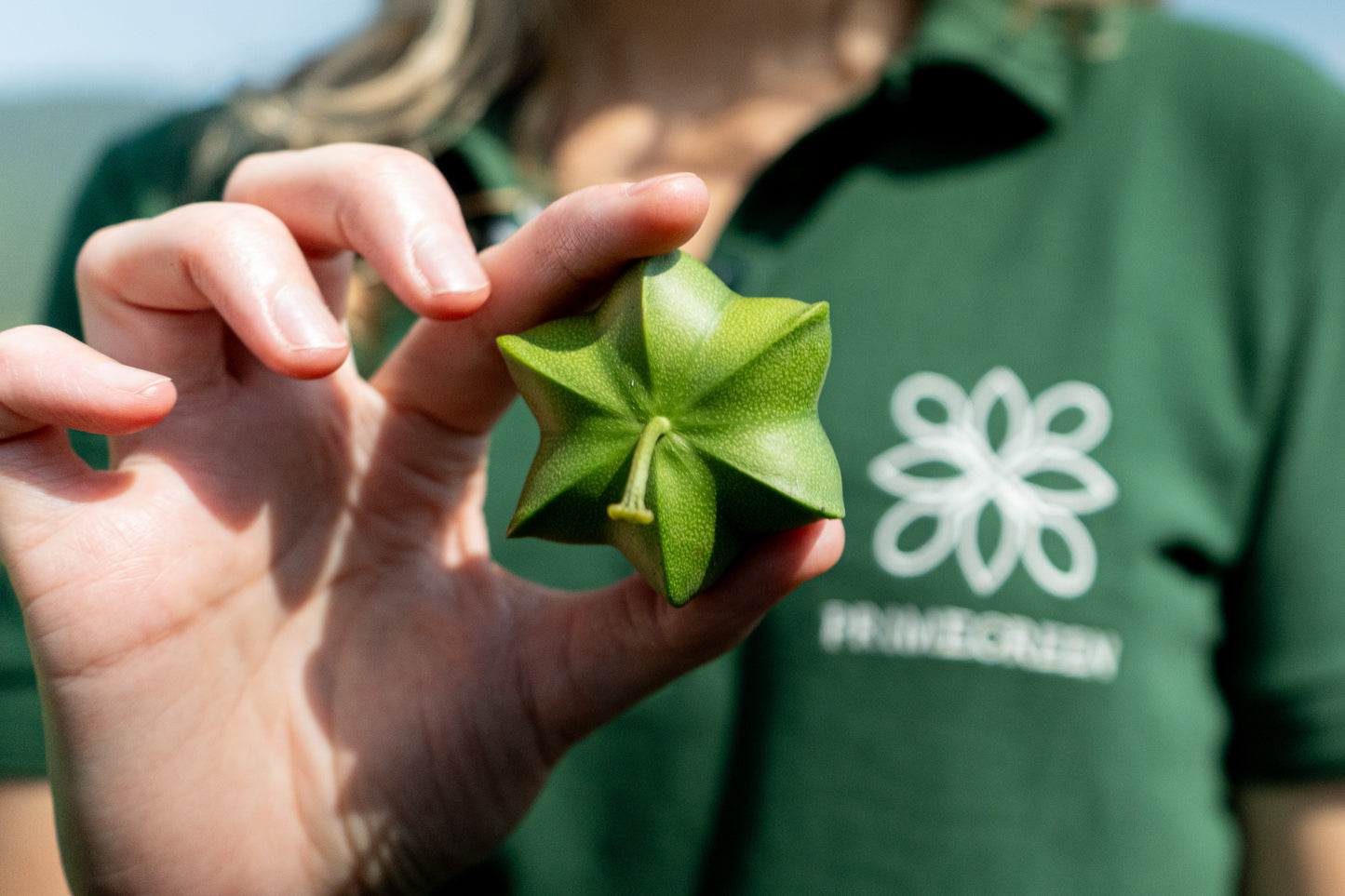
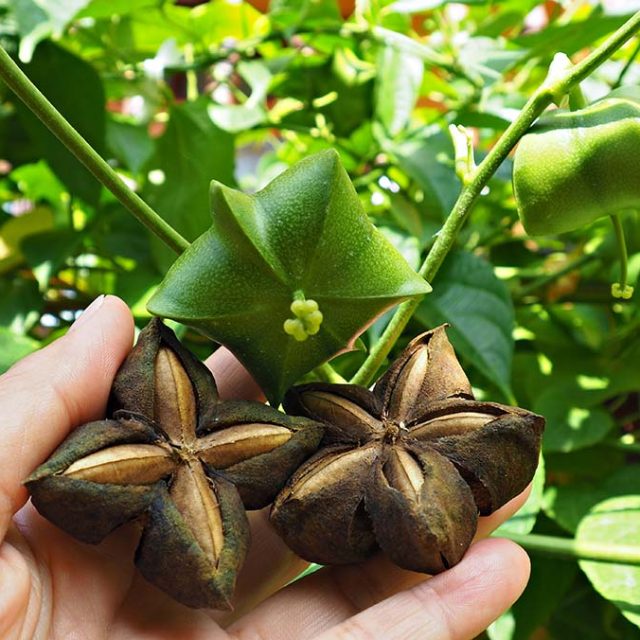
    Sacha inchi (Plukenetia volubilis), also known as the Inca peanut, is a plant native to the Amazon rainforest of South America.

    It grows up to 2 meters tall, begins flowering within months, and produces seeds throughout most of the year in tropical environments.

1 of 4

The Story Behind Our Ethically Sourced Sacha Inchi

  • Harvesting Sacha Inchi seeds

    Harvesting

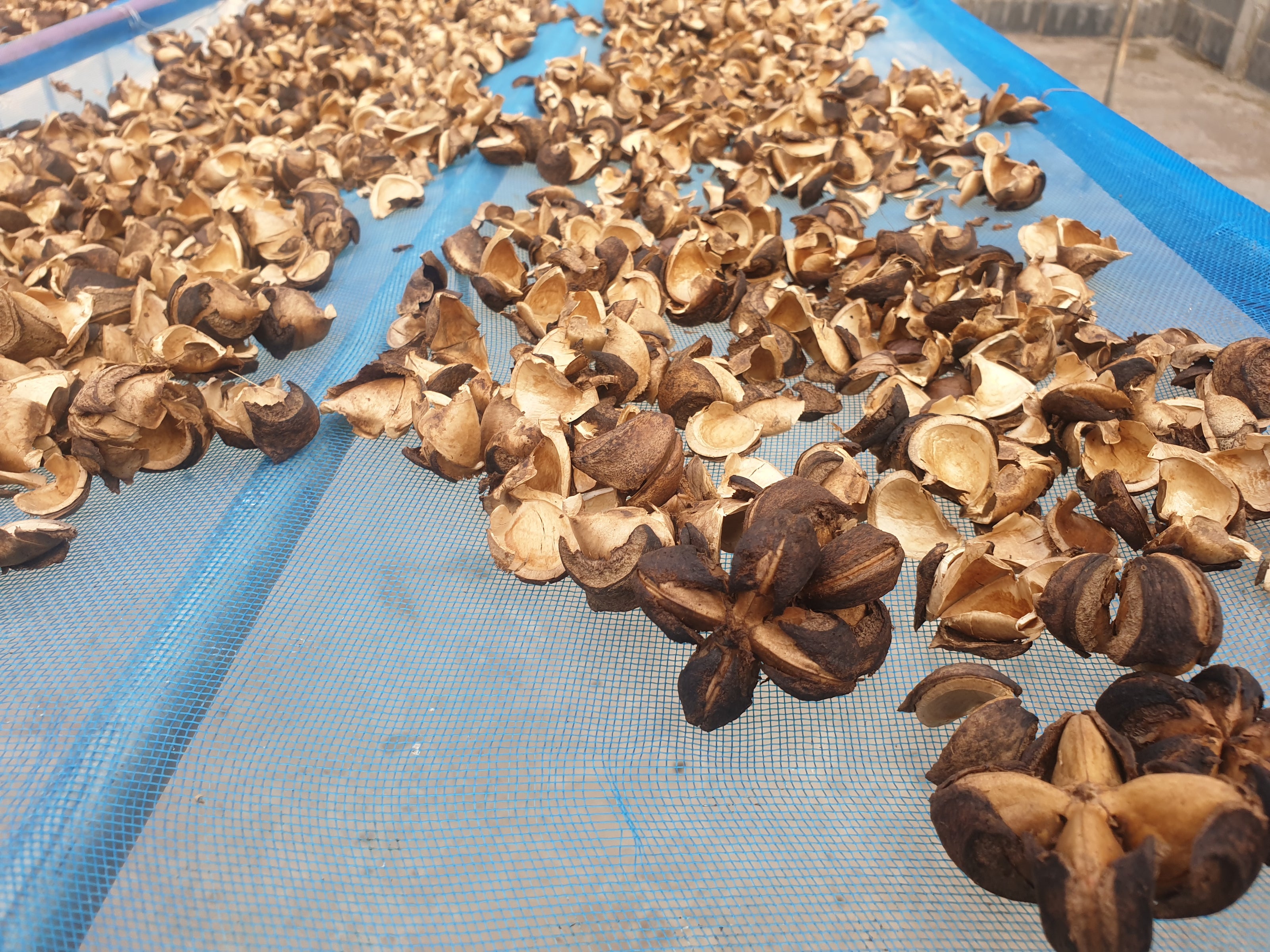
    The first step involves harvesting rip nuts from the sacha inchi plants. The nuts are typically harvested when they have turned a dark brown or black color and have naturally split open, revealing the seeds inside.

  • Sacha Inchi seeds

    Seed Extraction

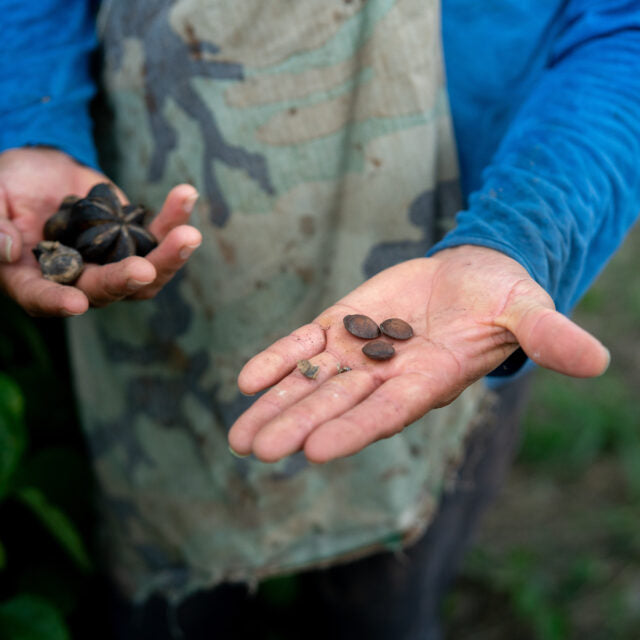
    After harvesting, the seeds are carefully removed from the nuts. The seeds are the part of the plant that contains the oil.

  • Drying process Scha Inchi seeds

    Drying

    The extracted seeds are spread out to dry. Drying is important to reduce the moisture content of the seeds, which helps prevent spoilage during storage and subsequent processing.
  • Cold pressing Sacha Inchi oil

    Pressing

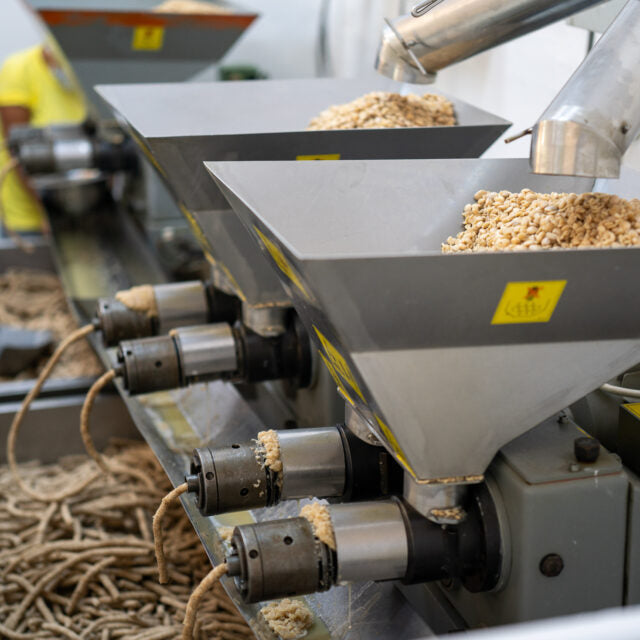
    The dried seeds are subjected to cold-pressing, which involves applying pressure to the seeds without the use of heat. This helps retain the oil's nutritional and sensory qualities.

  • Pre-Filtration

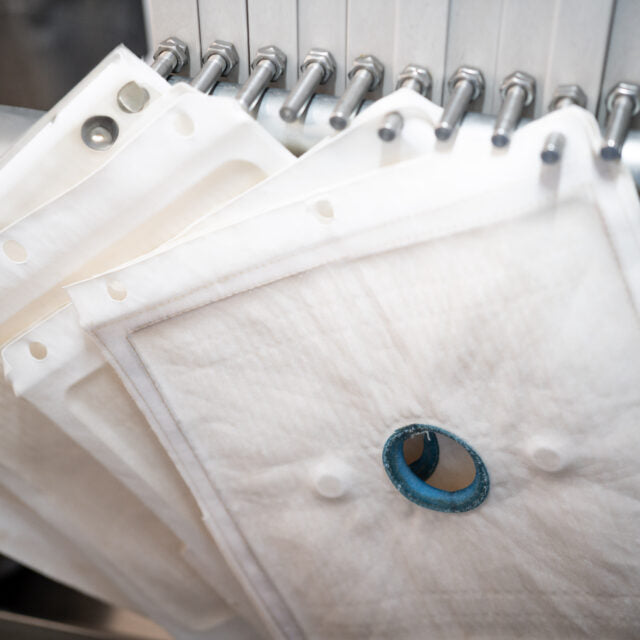
    The extracted oil is then filtered to remove any solid particles or impurities, resulting in a clearer and purer oil.

  • Final-Filtration

    The filtered oil is allowed to settle to further separate any remaining impurities that may have passed through the initial filtration.
Sacha Inchi Oil FAQ: Benefits, Uses & Complete Guide

What defines a high-quality Sacha Inchi Oil?

A high-quality oil is cold-pressed, pale yellow in color, and has a mild, nutty aroma. Cold-pressing ensures preservation of its omega-rich profile.

Is Sacha Inchi ethically and sustainably sourced?

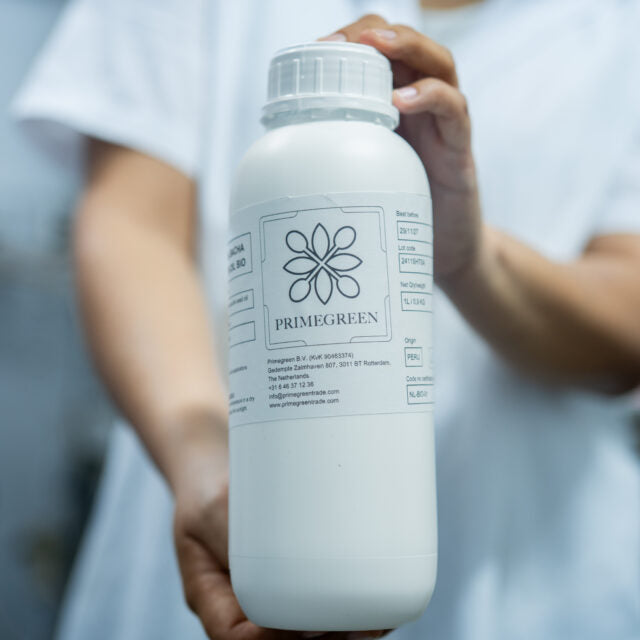
Yes. Primegreen sources from community-led Amazonian programs that support sustainable agriculture and fair economic development.

How long does Sacha Inchi Oil last after opening?

Approximately 12 months, depending on storage.

How should Sacha Inchi Oil be stored?

Store tightly sealed in a cool, dry, dark place to preserve freshness and prevent oxidation.